


Millions of people in the USA and elsewhere know that Planet Earth is burning. We have watched the fires in Maui and Canada, the bizarre (officially called “extreme”) weather, the droughts and floods. We hear about species going extinct. And we know that something is beyond terribly wrong. People are being deluged with facts about the environmental catastrophe (let’s stop calling it climate change). But the solutions offered are often difficult to understand, and they often raise other problems, such as: How does one economically survive if so much must be changed in the way we work and live?
The environmental and environmental justice movements in the USA have done a yeoman’s job in presenting the situation to the public and in fighting—desperately—to change the country’s priorities in order to address the impending catastrophe. For many individuals and organizations, that has included challenging the very soul of capitalism, recognizing that capitalism is antithetical to the survival of humanity.
But this is not enough. Something seems to be missing, and I think the key missing factor is the people.
I regularly refer to the iconic film The Magnificent Seven (based on Kurosawa’s The Seven Samurai) to make a point about the way so many in the Left and progressive movements today think about political action and the role of the masses. It is a tendency that I have seen increase since the 1980s. Let’s look at the film first.
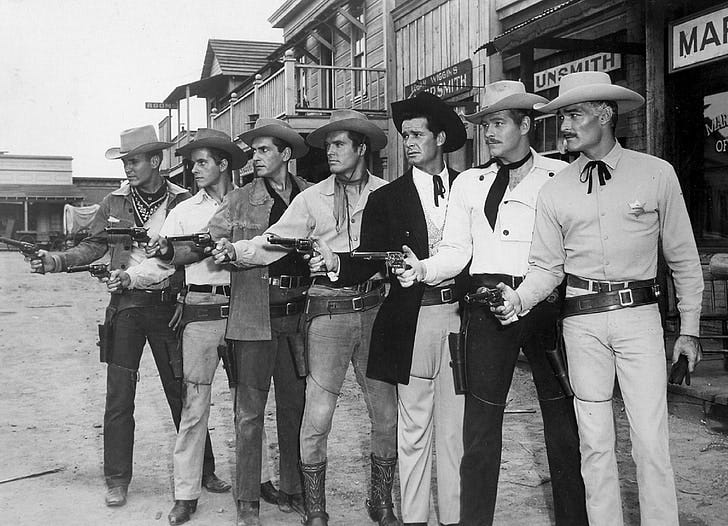
In The Magnificent Seven, a Mexican village is regularly attacked by a bandit militia who steal people’s valuables and victimize them in multiple ways. The village leaders eventually decide to cross the border into the USA, and there they hire seven professional gunfighters charged with chasing the bandits away. The bandits initially manage to defeat the gunfighters, largely because the villagers play no role in their own liberation. But in one final battle, the villagers rally in a manner that would make all good Marxists proud, and with the help of the gunfighters, they defeat the bandits decisively.
All too often, leftists and progressives assume the role of the seven gunfighters. We think our job is to carry out the fight for the masses rather than to act as instruments in organizing and mobilizing the masses to emancipate themselves. With the growth of nongovernmental organizations (NGOs), nonprofits, etc., there is an increasing tendency to assume that doing good progressive political work requires holding a staff position in an organization. This idea diminishes the role of volunteers, specifically the role of a mass membership.
The environmental and environmental justice movements have large numbers of dedicated and competent staff. Leaving aside very real political differences between and within these movements, their sincerity cannot be questioned. Yet most of these organizations seem to fall into the trap of fighting for the masses rather than organizing them to fight for themselves. And when I speak of organizing, I am not talking about mobilizing for an event. I am talking about engaging regular people in such a way that they join with others on a more permanent basis and, through practice and study, take ownership of movements and organizations themselves.
I have asked friends and comrades who are more deeply involved in the environmental and environmental justice movements the following: What can a person do or join if they believe that environmental issues are critical? And, after joining, what can they be expected to contribute? The answers I receive tend to be along the lines of: People can contribute funds; can get on an email list; can be engaged with social media; and can attend rallies and send letters and emails of protest around various issues. Yet little is mentioned in terms of personal interaction or the building of a mass, organizational culture as a means to translate the fear of the future into hopeful, strategic, and mass action. In addition, the connection between the fight for economic justice and the fight for environmental justice is all too often a matter of rhetoric and/or policy pronouncements rather than mass strategic action.
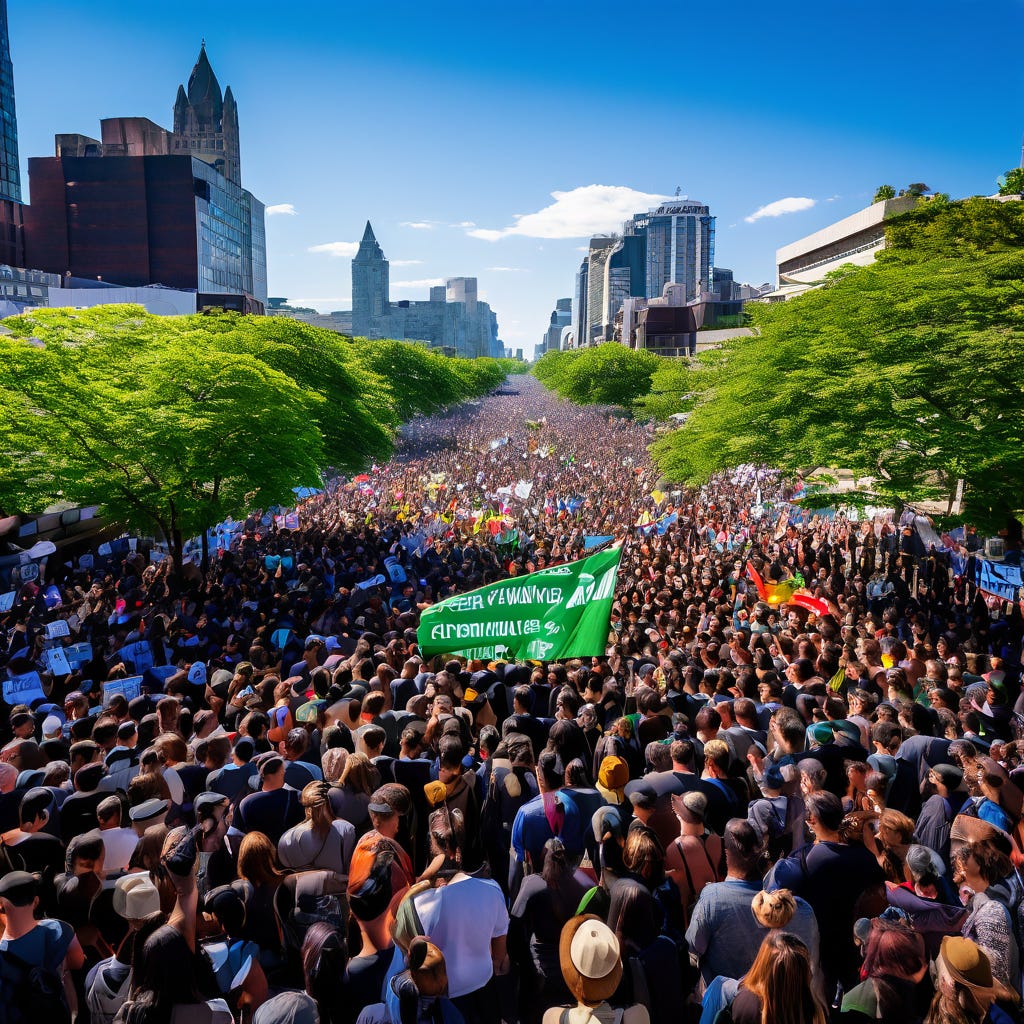
As someone who has spent most of my life in the trade union movement, I have been raised with a different model, a model that was very familiar in the past, not only within the trade union movement but in various progressive social movements. The model involves building mass, democratic organizations that grassroots people can join and transform. Organizations that contribute to the building of mass movements and are engaged to varying degrees in the fight for power. Organizations, I should add, that have a means to elect leadership and bring on staff but that ultimately rely on their membership to keep them honest and ensure that the mission of the organization is carried out.
It is not just in the environmental and environmental justice movements that we face this challenge, but I am focusing on these movements today for various reasons, not the least being that this winter seems a lot weirder than those I experienced growing up. We’re running out of time, and there are political movements afoot—including but not limited to MAGA—that not only deny environmental catastrophe but seek to introduce policies that would bring humanity closer to annihilation. We will not be able to stop this with financial contributions alone. It is the organized masses, outraged by the capitalists and MAGA, who can and must turn the tide. Otherwise, to paraphrase an old comedy routine, the question is: How long can you tread water?
-----------------------------------------------------------------
Bill Fletcher, Jr. is a longtime socialist, trade unionist, international solidarity activist, and writer.
Excellent, Bill!